At a glance
A changing part, receding hairline, bald patches and increased shedding describe different changes. Record when the change began and any scalp symptoms. Persistent or sudden changes are a reason to seek an assessment rather than choose treatment from a photograph.
Which changes deserve attention?
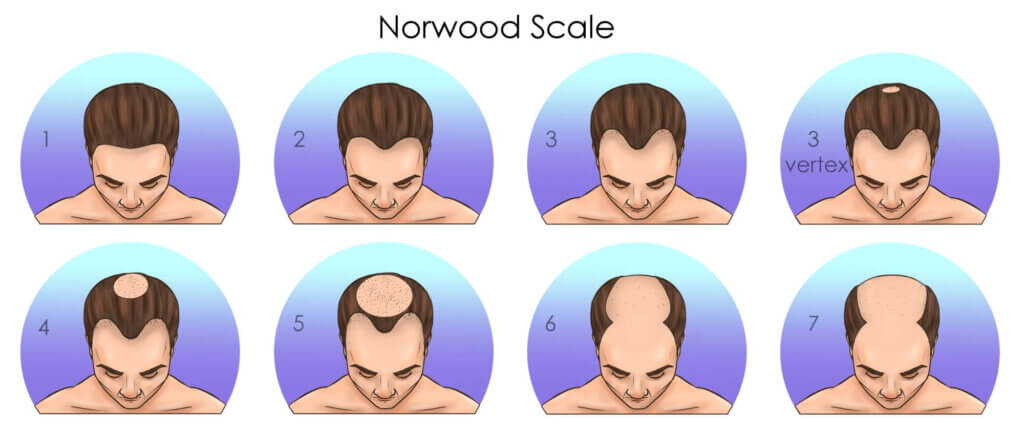
Look for a persistent change in density, a widening part, a receding hairline, patches or increased shedding compared with your usual pattern. These can reflect different conditions. Hair that feels dull or grows to a different length does not, on its own, diagnose hair loss.
Is shedding always abnormal?
Shedding is part of the normal hair cycle. The American Academy of Dermatology describes shedding around 50 to 100 hairs a day as normal. A daily count is difficult to interpret in isolation because washing and grooming routines affect what you notice.
When should you seek advice?
Arrange medical assessment for sudden patches, persistent unexplained shedding, progressive thinning or a painful, inflamed or scaly scalp. Record when it began and any associated illness, medication or other changes.
What happens next?
A clinician can examine the scalp and discuss possible investigations. Read hair loss diagnosis and common patterns before selecting a product or procedure.