Does shedding mean the grafts have failed?
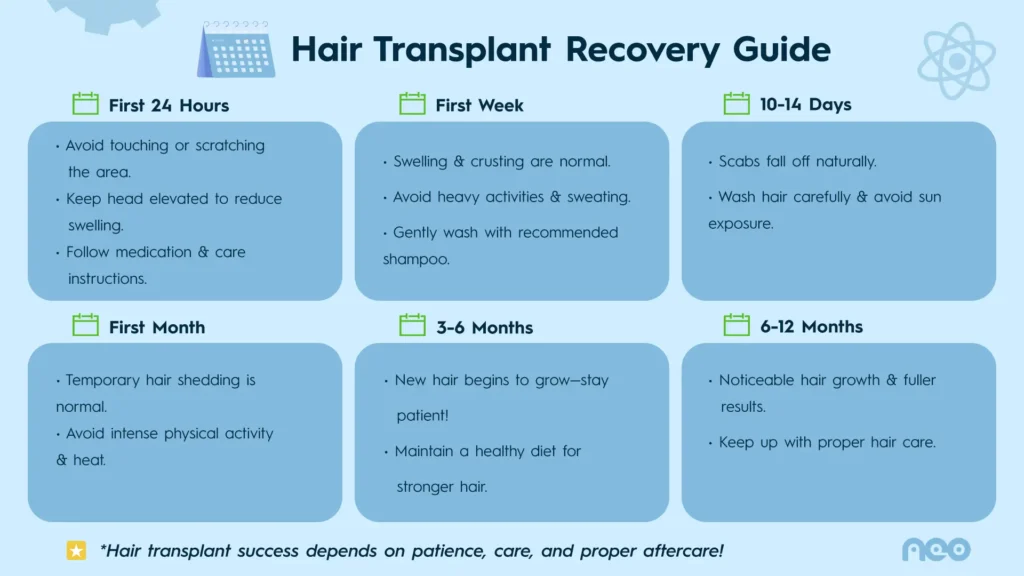
Not necessarily. Hair shafts can shed after transplantation before new growth appears. That is different from proving that a follicle has failed. The phrase “rejected hair implants” is often used online, but a transplant using your own follicles is not the same as rejection of an organ from another person.
Why can an outcome be disappointing?
Possible concerns include poor growth, an unsuitable plan, excessive donor harvesting, visible scarring or a result that does not meet expectations. Graft handling, scalp health, infection and ongoing loss of surrounding hair may also affect the appearance. The cause cannot be established from an online checklist or a single photograph.
What needs prompt advice?
Contact your surgical team promptly for increasing pain, spreading redness, discharge, fever or other unexpected deterioration. Severe symptoms need urgent medical assessment. Do not assume these changes are ordinary shedding or try to correct them with oils, supplements or extra medication yourself.
What should you bring to a review?
- The date of surgery and written treatment plan.
- The agreed graft count and donor-area information, if available.
- Photographs taken in comparable lighting and at similar angles.
- A record of symptoms, medication and follow-up advice.
A review should distinguish healing, the growth timeline, continuing hair loss and possible complications. Ask when the result can reasonably be assessed and whether further examination is needed.
Is another transplant the answer?
Revision surgery is not an automatic next step. The scalp, donor supply and reason for the concern need assessment first. Read about recovery stages and donor-area limits before discussing further procedures.
Warning signs and when to contact the surgical team.